Stories
Luceplan. Shaping light
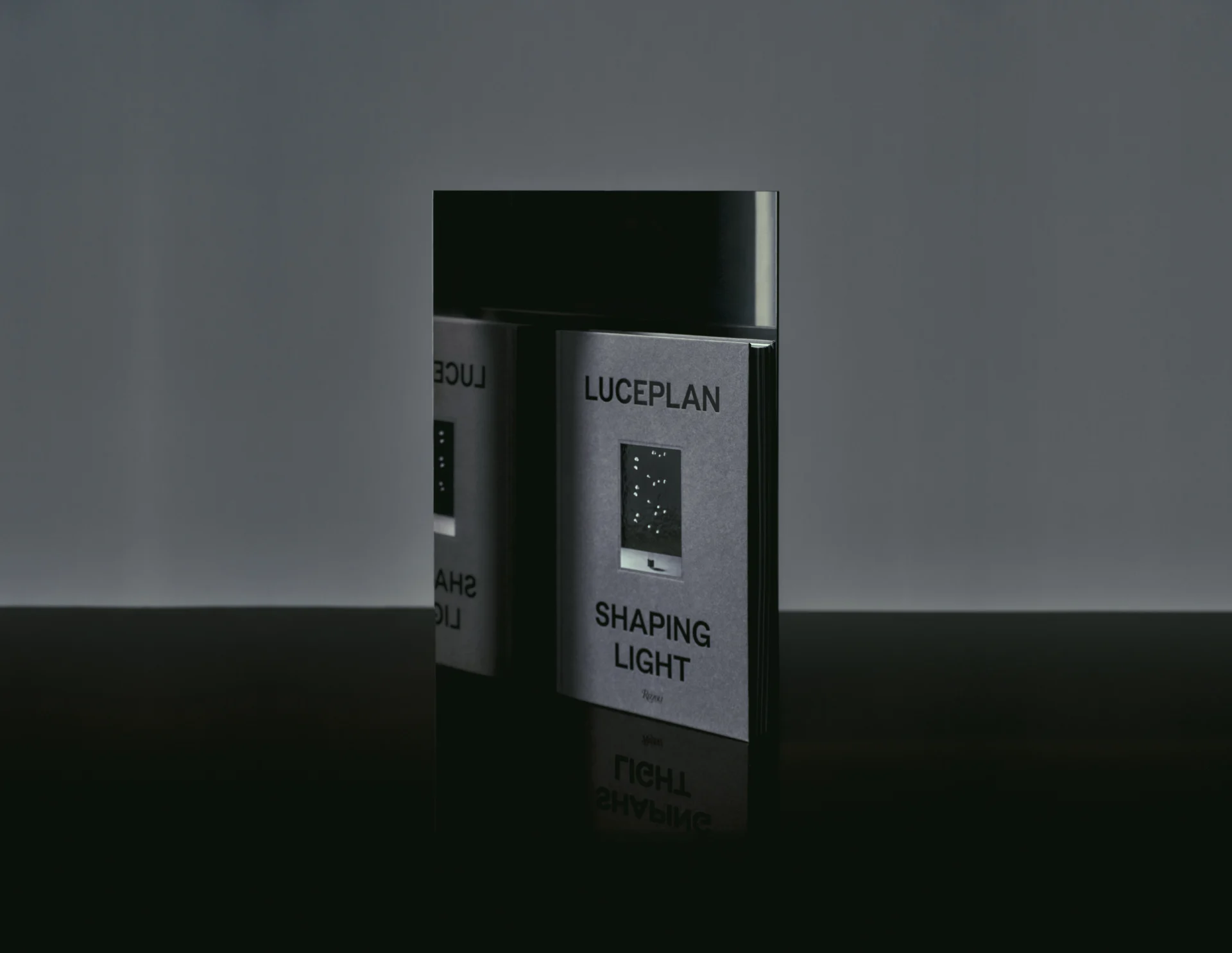
Luceplan announces the upcoming release, on October 27, 2026, of its corporate monograph, Luceplan. Shaping Light, published by Rizzoli Illustrati. A collective narrative retracing more than forty years of research and experimentation in the world of light, bringing together critical essays, designers’ testimonies, and an extensive visual journey through the company’s archives.
Through the key milestones of its history, Luceplan is presented for the first time in a dedicated publication curated by author and journalist Valentina Croci, with graphic design by Studio Blanco. The book will be published in Italy by Rizzoli Illustrati in late October 2026, followed by its worldwide release by Rizzoli New York in January 2027.
Luceplan. Shaping Light encapsulates the essence of the company’s journey: a vision of light not merely as a functional element, but as a true design language capable of shaping spaces, emotions, and new scenarios for contemporary living.
I. Costanza. A timeless icon
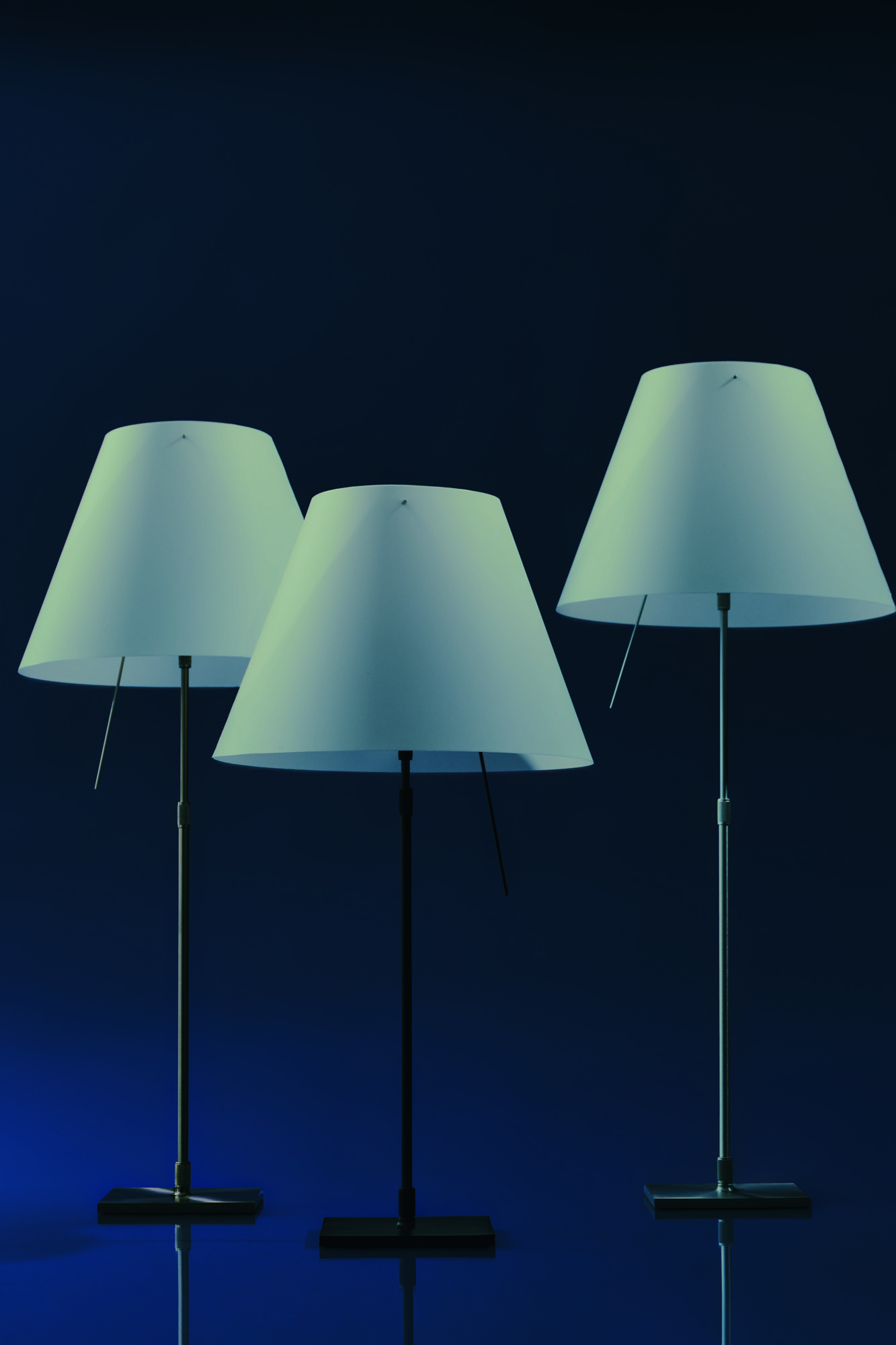
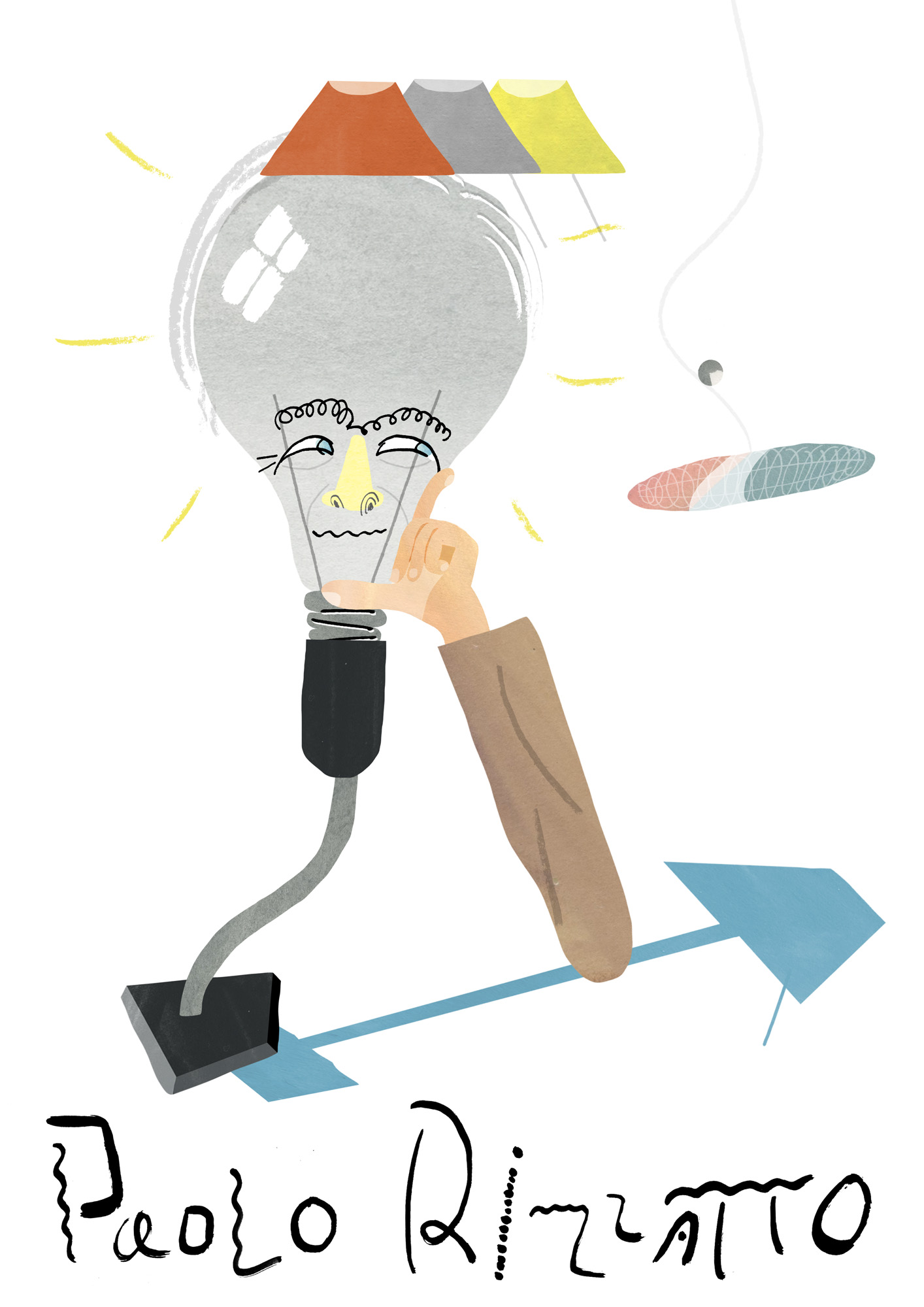
The monograph opens with a tribute to one of Luceplan’s most distinctive icons: the Costanza lamp by Paolo Rizzatto, which celebrates its 40th anniversary in 2026. A design defined by its essential simplicity and flexibility, able to adapt to a variety of settings and visual languages, Costanza is explored in an essay by design historians Charlotte and Peter Fiell, as well as in an interview with the designer. The visual narrative weaves together celebrated archival photographs by Gabriele Basilico and previously unpublished portraits by Mathilde Hiley, retracing the story of a contemporary classic.
II. Technology for Shaping Light
Since its beginnings in the 1980s, Luceplan has conceived light as a system in which modularity and technological innovation open up new design possibilities. From Berenice and Lola to more recent systems such as Mesh, Liiu, Limetry and Sistema Binario, this research has evolved through components, materials and solutions designed to adapt to a wide range of contexts and needs, from domestic interiors to outdoor spaces. Architect Marinella Patetta explores the significance of this evolution, examining the role of light in architecture through the interplay of design synthesis, perception and wonder.

III. Space for ideas. Discovering the voices of design
Chiara Alessi’s essay traces the design voices that have shaped Luceplan’s identity and the evolution of its approach to light. From the pioneering vision of the 1980s and 1990s, which placed light at the service of architecture, to the cultural expansion of the 2000s, marked by new technologies and generations of designers, the company’s research evolved towards a more decorative and experiential approach to light in the 2010s. In the 2020s, structural lightness has opened up new forms of expression, in which light becomes an intangible, ever-changing sculpture.
IV. Awash in wonder. The poetic side of light
In her essay, Laura Rysman explores light as an immaterial element at the heart of twentieth-century and contemporary artistic practice, spanning perception, metaphysics and intangible installations. This approach is echoed in the work of Daniel Rybakken, who seeks to give form to the invisible through lighting design. Taking the chandelier as a symbol of shared beauty, the narrative continues with interviews with designers Francisco Gomez Paz and Alessandro Zambelli, before concluding with a section devoted to new gestures, accompanied by a photographic feature by Alex Majoli.

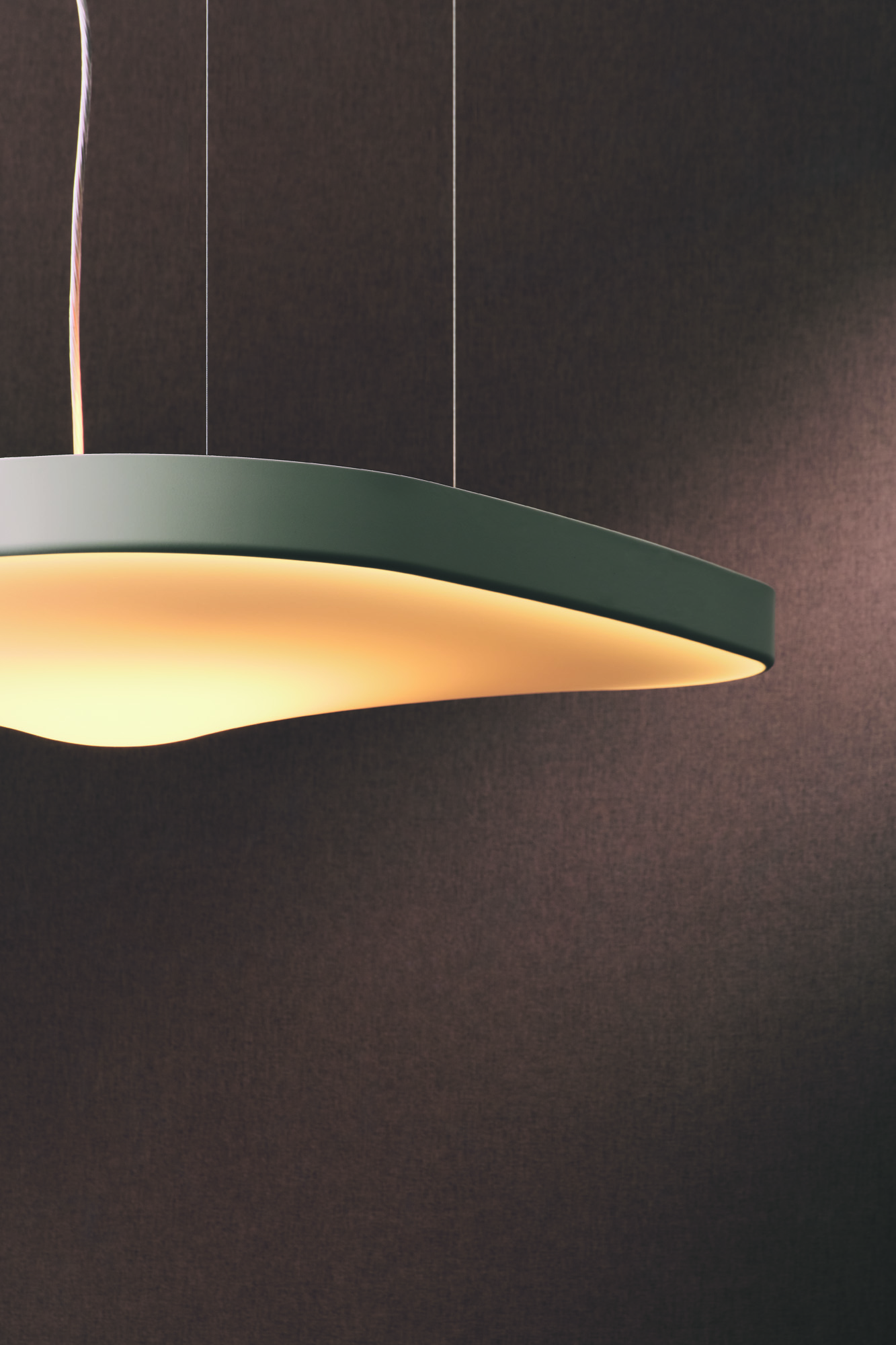
V. Luceplan Acoustic Solutions. The aesthetics of silence
A pioneer in the integration of light and sound absorption, Luceplan has been developing acoustic solutions since 2010, when an insight by Odile Decq in Lyon led to the creation of the iconic Pétale in 2012. The collection has continued to evolve over the years through contributions from Monica Armani, Diego Sferrazza, Stephen Burks and Mandalaki, combining optimal visual comfort with reduced reverberation. This journey of innovation and well-being is explored in an essay by Sarah Robinson, which examines the perceptual resonance between sound and light within architectural space.
VI. Luceplan,a design journey. Visions and milestones behind its evolution
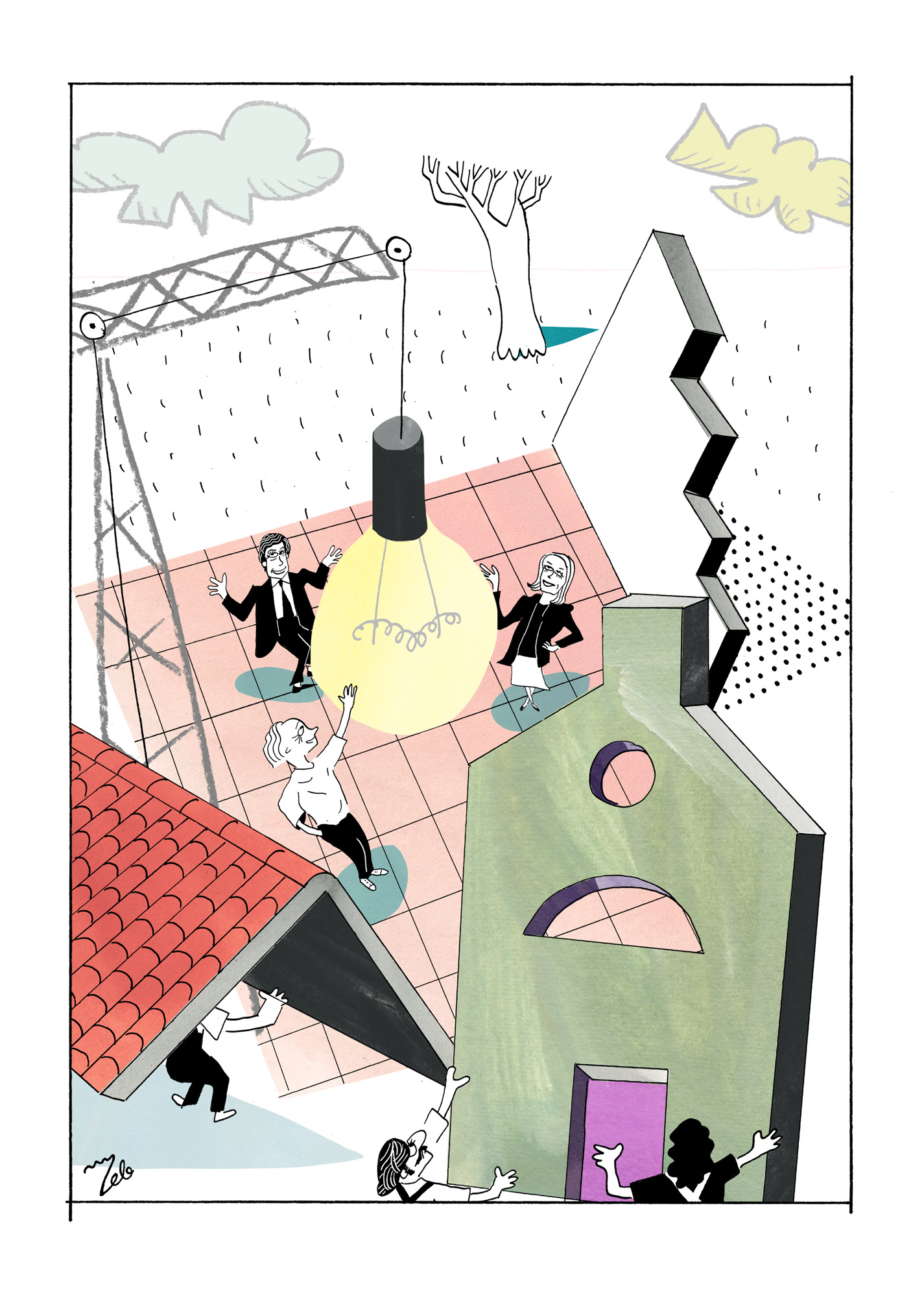
The playful illustrations by Zebedee Helm punctuate the final chapter, a journey through the key milestones that have shaped Luceplan’s history from 1978 to the present day, tracing its evolution with an eye always turned towards the future. Through an extensive collection of archival images, the narrative brings together memory and vision, conveying the depth of a story in constant transformation. The monograph concludes with personal reflections by Alberto Meda, Paolo Rizzatto, Alessandro Sarfatti and Sandra Severi, who share their memories of the company’s history.